 Magic Mushrooms EU EU · EEA · UK · CH
Sheet 01 · Grid · updated 14 Oct 2026
Magic mushroom and truffle laws in Europe, country by country
Mushrooms, truffles, spores, grow kits and possession penalties in the EU, EEA, UK and Switzerland, one sourced and dated cell at a time.
Comparison grid
| 1ATAustria | Prohibited Offering, supplying or growing psilocybin mushrooms for misuse: up to 1 year or 360 daily rates (SMG § 27(1) no. 3). |
Unverified Psilocybin is a controlled substance and § 27 names "Pilze"; we found nothing on whether truffles count. |
Unverified No rule found; § 27 targets supply and growing for misuse. |
Unverified No rule found; growing the mushrooms for misuse is an offence. |
Depends mushrooms: not listed; substance: offence |
|---|---|---|---|---|---|
| 2BEBelgium | Prohibited De Druglijn (VAD): psilocybin mushrooms fall under the drug law; holding, using and selling are punishable whatever the dose. |
Prohibited De Druglijn: truffles of Psilocybe species are covered as well. |
Unverified No rule or official statement on spores found. |
Unverified No source on kits found. The 1921 law also penalises growing plants from which controlled substances can be extracted. |
Criminal offence criminal offence |
| 3BGBulgaria | Prohibited Psilocybin and psilocin are on List I. The drug law bans holding them and any preparation, defined as any material containing them. |
Prohibited Not named, but covered as material containing psilocybin (drug law, § 1 item 12). |
Unverified No rule found. The growing ban names poppy, coca and cannabis only. |
Unverified No rule on kits found. |
Criminal offence 1 to 6 years; minor case a fine |
| 4HRCroatia | Prohibited Psilocybin is on the drug list; psilocin falls under the tryptamines entry. The mushrooms are not named. |
Unverified Not named, and we found no wording on material containing a listed substance. |
Unverified No rule found. Holding means for making drugs is banned (art. 3(2)). |
Unverified No rule found. The growing rules refer to plants, not fungi. |
Minor offence misdemeanour, fine or up to 90 days |
| 5CYCyprus | Unverified Psilocin and psilocybin are Class A, including "any preparation or other product containing" them. The mushrooms are not named and we found no ruling. |
Unverified Not named; depends on whether a truffle counts as a product containing psilocybin. |
Unverified No rule found. The growing ban names cannabis, poppy and coca only. |
Unverified No rule found. |
Criminal offence up to 12 years |
| 6CZCzechia | Prohibited Psilocin and psilocybin are on list 4 (regulation 463/2013); psilocybin fungi are named in regulation 455/2009. |
Prohibited Covered as fungi containing psilocybin and via psilocybin on list 4. |
Unverified No rule or official statement on spores found. |
Prohibited The Supreme Court guide values count mycelium on substrate as drug material: more than 40 g is more than a small amount. |
Minor offence small amount: misdemeanour |
| 7DKDenmark | Prohibited List B no. 411 covers psilocybin fungi, including grown or dried ones; use only with a permit for scientific purposes. |
Prohibited Covered as "other fungi containing psilocin or psilocybin" (no. 411) and via psilocybin (no. 408). |
Prohibited Spores of P. semilanceata and P. cubensis are named in list B no. 411. |
Prohibited The list covers grown fungi and P. cubensis spores; a colonised kit falls within that wording. |
Criminal offence fine or up to 2 years |
| 8EEEstonia | Prohibited List I names psilocybin and psilocin "including mushrooms containing" them. |
Prohibited Not named, but List I covers psilocybin-containing fungi as a whole. |
Unverified No rule on spores found. Growing psilocybin mushrooms is banned (Drug Act, s. 3(2¹)). |
Unverified No rule on kits found. Growing psilocybin mushrooms is expressly banned (s. 3(2¹)). |
Minor offence misdemeanour, fine or detention |
| 9FIFinland | Prohibited The Narcotics Act defines Psilocybe fungi themselves as narcotics (s. 3) and bans growing them (s. 7). |
Unverified Not named. Psilocybe fungi and psilocybin are controlled; we found no source that addresses sclerotia. |
Unverified No rule on spores found. Growing Psilocybe fungi is banned outright (s. 7). |
Unverified Not named. Buying material to grow Psilocybe may count as preparing a drug offence (Criminal Code 50:3), but we found no official text on kits. |
Criminal offence fine or up to 6 months |
| 10FRFrance | Prohibited Annex IV of the narcotics list names hallucinogenic mushrooms, "notamment" Stropharia, Conocybe and Psilocybe; psilocin and psilocybin are in annex III. |
Prohibited Covered as hallucinogenic fungi (the list is open-ended) and via psilocybin. |
Unverified No rule or official statement on spores found. |
Unverified No official source on kits found. Producing narcotics is a crime (Code pénal, art. 222-35). |
Criminal offence up to 1 year or fixed fine |
| 11DEGermany | Prohibited Psilocin and psilocybin are in Annex I of the BtMG; fungi and their parts containing them are covered when intended for intoxication. |
Prohibited Covered as parts of fungi containing psilocybin (BtMG § 2 and Annex I). |
Depends Covered as biological material for growing psilocybin fungi when misuse for intoxication is intended (Annex I, last indent). |
Depends Same wording as spores: covered when intended for intoxication. Growing the mushrooms is an offence (§ 29). |
Criminal offence up to 5 years or fine |
| 12GRGreece | Unverified Psilocybin and psilocin are in Table A. The mushrooms are not named, and we found no text that extends the table to fungal material. |
Unverified Not named; same gap as for mushrooms. |
Unverified No rule found. |
Unverified No rule found. Growing "any other plant" that yields narcotics is trafficking (art. 20); fungi are not named. |
Criminal offence up to 5 months |
| 13HUHungary | Prohibited Psilocybin and psilocin are on list P1, which the Criminal Code counts as drugs. The mushrooms are not named. |
Unverified Not named, and we found no text that covers any material containing psilocybin. |
Unverified No rule found. Supplying material for growing drugs is an offence (§ 182). |
Unverified No rule found. Growing drugs (§ 178) and supplying material for it (§ 182) are offences. |
Criminal offence up to 2 years |
| 14ISIceland | Unverified The drug regulation lists psilocybin and psilocin as prohibited but does not name mushrooms. We could not open the act itself. |
Unverified Not named; only the substances are listed. |
Unverified No rule found. |
Unverified No rule found. |
Criminal offence usually a police fine |
| 15IEIreland | Prohibited Any fungus containing psilocin or its ester is a controlled drug since 31 January 2006; wild, uncultivated fungi are exempt from the possession offence. |
Prohibited Covered as "any substance, product or preparation (whether natural or not), including a fungus" containing psilocin. |
Unverified No rule found; the control covers material that contains psilocin. |
Unverified No rule found; the wild-growing exemption does not cover cultivated fungi. |
Criminal offence up to 7 years on indictment |
| 16ITItaly | Prohibited Tabella I lists fungi of the genera Stropharia, Conocybe and Psilocybe, plus psilocybin and psilocin (Law 79/2014). |
Prohibited Not named, but truffles are part of Psilocybe fungi and psilocybin is in Tabella I. |
Unverified No rule or Cassazione ruling on spores found. |
Unverified No source on kits. Growing Tabella I substances is punished under art. 73. |
Minor offence licence or passport suspension |
| 17LVLatvia | Prohibited "Hallucinogenic mushrooms" are on List I; growing, importing and holding List I items is prohibited (art. 5). |
Prohibited The State Agency of Medicines answered in 2021 that magic truffles count as hallucinogenic mushrooms. The answer is non-binding. |
Prohibited The State Agency of Medicines answered in 2016 that the import ban also covers spores of these mushrooms. Non-binding, and based on an older list. |
Unverified No rule on kits found. Growing List I items is prohibited (art. 5). |
Minor offence warning or fine; repeat is a crime |
| 18LILiechtenstein | Prohibited Hallucinogenic fungi of the genera Conocybe, Panaeolus, Psilocybe and Stropharia are listed as prohibited (directory d). |
Prohibited Not named, but the law counts fungi "or parts thereof" (BMG art. 2) and the genera are listed. |
Unverified No rule on spores found. |
Unverified No rule found. Growing such fungi needs a permit (BMV art. 11). |
Criminal offence fine up to CHF 50,000 |
| 19LTLithuania | Prohibited List I names Psilocybe fruiting bodies and parts containing psilocybin or psilocin (point 65). |
Prohibited Point 65 also names Psilocybe mycelium, the material truffles consist of. |
Prohibited Spores of Psilocybe are named in List I (point 65). |
Prohibited Psilocybe mycelium is named in List I (point 65), and a kit is colonised mycelium. |
Criminal offence criminal misdemeanour |
| 20LULuxembourg | Prohibited The 1974 regulation covers psilocybin and psilocin and also organisms and parts of organisms that naturally contain them (art. 1 b). |
Prohibited Not named, but covered as parts of organisms that naturally contain psilocybin (art. 1 b). |
Prohibited Art. 1 c) covers biological material that can reproduce or grow such organisms. Only cannabis seeds are excluded. |
Prohibited Mycelium is biological material for growing under art. 1 c); kits for illicit growing also fall under art. 8(1)(i) of the 1973 law. |
Criminal offence 8 days to 6 months and/or fine |
| 21MTMalta | Unverified Psilocybin and psilocin are listed with their salts and esters. No text names fungi or material containing them. |
Unverified Not named. |
Unverified No rule found. |
Unverified No rule found. |
Minor offence under 2 g a penalty, above that court |
| 22NLNetherlands | Prohibited Fresh and dried mushrooms with psilocin or psilocybin are on Opium Act List II since 1 December 2008. |
Legal Truffles are not mushrooms and fall outside the Opium Act; the Supreme Court recorded this in April 2026. The Jellinek holds that dried truffles are List I. |
Unverified Not on either list. We found no criminal-law text that deals with spores. |
Legal Trimbos: buying and owning a grow kit is legal; once mushrooms appear, they are List II drugs. |
Not prosecuted* not prosecuted up to 5 g fresh |
| 23NONorway | Prohibited The narcotics list names P. cubensis, P. semilanceata, Panaeolus cyanescens and any fungi with psilocybin or psilocin. |
Prohibited Covered as fungi containing psilocybin and via psilocybin itself. |
Prohibited Fungal spores are named in the list. |
Prohibited Grown fungi and spores of P. cubensis are listed as prohibited. |
Criminal offence fine or up to 6 months |
| 24PLPoland | Prohibited Mushrooms are not named; psilocybin and psilocin are in group I-P. Courts convict for holding the mushrooms under art. 62. |
Unverified Not named. We found no text or ruling that applies the list to truffles. |
Unverified No rule or ruling on spores found. The growing offence (art. 63) covers poppy, cannabis and coca only. |
Unverified No rule found. Art. 63 does not mention fungi. |
Criminal offence up to 3 years |
| 25PTPortugal | Prohibited Psilocybin and psilocin are in table II-A of Decree-Law 15/93. The Judiciary Police describe growing, holding or selling the mushrooms as drug trafficking. |
Unverified Only the substances are listed. We found no source that deals with truffles. |
Unverified No rule on spores found in the drug laws or official guidance. |
Unverified No rule on kits found. Growing for your own use is a crime under art. 40(1): up to 3 months or a fine. |
Decriminalised administrative offence since 2001 |
| 26RORomania | Prohibited Table I of Law 143/2000 names all species of the genus Psilocybe, plus psilocybin and psilocin. |
Prohibited Not named, but the whole genus is listed and drugs include mixtures that contain listed plants. |
Unverified No rule on spores found. |
Unverified No rule found. Growing for own use is an offence (art. 4). |
Criminal offence 6 months to 3 years |
| 27SKSlovakia | Prohibited The Criminal Code annexes name fungi containing psilocybin and psilocin; the substances are in group I of Act 139/1998. |
Prohibited Not named, but the annex covers the dried matter of fungi containing psilocybin. |
Unverified No rule on spores found. Growing psilocybin fungi without a permit is an offence (§ 172). |
Unverified No rule on kits found. Growing up to 40 fruiting bodies for own use: up to 1 year (§ 172). |
Criminal offence up to 2 years |
| 28SISlovenia | Prohibited Psilocybin and psilocin are listed drugs; the mushrooms are not named. An amendment of 2 Oct 2026 moves psilocybin to group II for approved trials; psilocin stays in group I. |
Unverified Not named, and the law has no wording on material containing a listed drug. |
Unverified No rule found. Growing counts as producing a drug (art. 4). |
Unverified No rule found. Growing counts as producing, which needs a licence (arts. 4 and 7). |
Minor offence minor offence |
| 29ESSpain | Prohibited The mushrooms are not named; psilocybin and psilocin are on Lista I, and Energy Control states mushrooms containing them are treated as drugs. |
Unverified Not named; only the substances are listed and we found no ruling on truffles. |
Unverified Energy Control says holding and selling spores is not a crime. That is an NGO statement; we found no law or ruling. |
Unverified No source on kits. Energy Control: once the fungus appears, courts regard it as a drug. |
Minor offence fine from 601 euros in public |
| 30SESweden | Prohibited The narcotics list names Psilocybe cubensis and P. semilanceata, and other psilocybin fungi when grown, dried or prepared. |
Prohibited Not listed by name. Swedish Customs states that truffles are classed as narcotics because they are part of the fungus. |
Unverified Spores are not listed. A news report quotes Customs saying spores can be seized; we found no official text. |
Prohibited Swedish Customs: grow kits for psilocybin mushrooms can be seized and are treated as an attempted drug offence. |
Criminal offence fine or up to 6 months |
| 31CHSwitzerland | Prohibited Hallucinogenic fungi of Conocybe, Panaeolus, Psilocybe and Stropharia are in directory d (prohibited), as are psilocin and psilocybin. |
Prohibited Covered as hallucinogenic fungi of the genus Psilocybe and via psilocybin. |
Unverified No rule on spores found in the law or federal guidance. |
Unverified No rule on kits found. Growing narcotics is an offence (BetmG art. 19). |
Minor offence fine for consumption |
| 32GBUnited Kingdom | Prohibited Class A since 18 July 2005, fresh or dried (Drugs Act 2005, s. 21). Wild mushrooms left growing, or picked only to destroy, are exempt (reg. 4A). |
Prohibited Not named, but covered as a "fungus (of any kind)" containing psilocin. |
Unverified No rule in legislation or official guidance. Control attaches to fungus that contains psilocin. |
Unverified No official source on kits. Mushrooms grown from one are Class A, and producing them is an offence. |
Criminal offence up to 7 years |
No country matches these filters.
Each cell shows the status we could confirm in a law text, court ruling or public body, with the check date in its source line. Select a row to open the country record, or read every record with sources. *Not prosecuted: possession stays an offence, but prosecutors have a written policy not to act below a set amount. Not legal advice.
Compare two countries
Side by side, cell by cell. Useful before a trip from one country to another.

Cell C · Netherlands
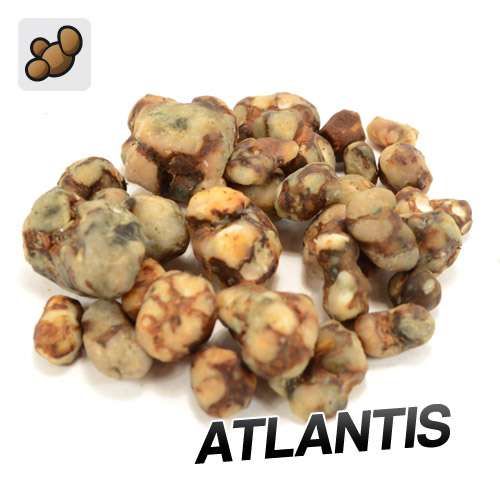
The one green cell: fresh truffles in the Netherlands
Legal
Magic truffles fall outside the Dutch Opium Act and are sold openly in smartshops to adults. That makes them an option for a stay in the Netherlands, to be used there. Taking them home across a border is an import offence almost everywhere else in this grid.
Magic mushrooms are legal in none of the 32 countries in this grid. In 28 of them we could confirm the ban in a law text or court practice; in the other four, psilocybin is controlled but the mushrooms are not named. The differences lie elsewhere: whether truffles are covered, what happens to someone caught with a small amount, and whether spores and grow kits are mentioned in the law at all. The grid above shows those differences cell by cell, each with its source and the date we checked it.
How to read the grid
Each row is a country, each column a product or a question. A green cell means the law allows it, red means prohibited, amber means the act is still unlawful but handled as a fine or decriminalised, violet means it depends on intent or circumstances. A dashed grey cell means we could not confirm the status in a law text, a court ruling or a public body, so we do not guess.
With JavaScript on, you can search, filter by status, hide columns, sort by any column and open a country to see its sources. Without it, every country name links to its full record on the countries sheet.
Five things the grid shows
- Truffles are legal in one country. The Netherlands banned mushrooms in 2008 but left truffles out of the Opium Act. The Netherlands sheet explains why.
- The UN rule bans the substance, not the mushroom. Psilocybin and psilocin are controlled under the 1971 UN Convention on Psychotropic Substances. Most countries also name the fungi, by genus or as "any fungus" containing psilocin; a few leave that to the courts.
- Small amounts are treated very differently. In 20 countries possession of a small amount is a criminal offence; in nine it is a minor or administrative offence; Portugal decriminalised it in 2001. The where-legal sheet sorts the countries by that.
- Spores are rarely mentioned. They contain no psilocybin. Five countries name them in their drug lists, Germany covers them when they are meant for growing a drug, and in the rest we found no rule at all. The spores and grow kits sheet lists what we found.
- Borders matter more than shops. A legal purchase in Amsterdam becomes an import offence at almost any other border, also inside Schengen. See the travel sheet.
Sources and dates
The status bar at the top shows the date of the last full check. Each cell has its own source line with the date we read it. We use national law databases, official gazettes, courts and public drug-information services; the about page explains how. Laws change, and this grid is information, not legal advice.